Top 3 by-products of sugar beet vs sugar cane and their uses across industries
Understanding Sugar Beet Vs Sugar Cane: Key Differences and Their Importance in the Global Sugar Market
The differences between sugar beet and sugar cane are considerable in the context of the international sugar industry. Their varying climatic requirements affect where they can be grown, while their one-of-a-kind dietary profiles affect consumer preferences. In addition, the financial ramifications of each plant form market characteristics. Comprehending these distinctions is important for grasping the broader influence on production and supply chains. What additional complexities develop when considering their functions in the market?
Environment and Geographic Flexibility
Sugar beet and sugar cane exhibit distinct climate and geographic adaptability that influences their cultivation. Sugar beet thrives in temperate environments, needing great weather for ideal development. It is generally expanded in areas such as Europe and The United States And Canada, where conditions favor its growth throughout spring and fall. In contrast, sugar cane embellishments in tropical and subtropical environments, demanding warm temperatures and plentiful rains. This plant is chiefly grown in nations like Brazil, India, and Australia, where the setting sustains its long development cycle.The differing adaptability of these plants impacts not only their geographical distribution yet additionally the farming techniques used by farmers. Sugar beet's strength to colder temperature levels enables earlier planting, while sugar cane depends on a longer expanding season to accomplish maximum yield. Comprehending these weather preferences is necessary for improving production and guaranteeing food security in areas depending on these important sugar sources.
Farming and Collecting Strategies

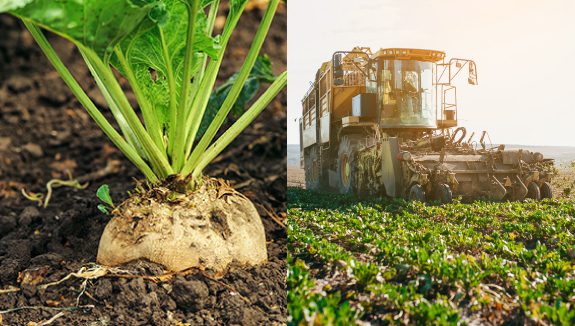
Cultivating sugar beet and sugar cane includes distinctive strategies tailored to every plant's particular development requirements. Sugar beet is usually sown in great, warm climates, requiring well-drained soil and exact spacing to permit for suitable origin growth. Sugar beet vs sugar cane. Farmers usually employ mechanical planters to assure consistent seed placement, followed by regular watering and weed monitoring methods to support growth.In contrast, sugar cane flourishes in warmer climates and is generally circulated via stem cuttings instead than seeds. Planting occurs in rows, enabling sufficient sunshine and airflow. Gathering sugar cane is labor-intensive, commonly entailing manual cutting or the usage of specialized machinery, depending upon the scale of manufacturing. Conversely, sugar beet harvesting uses mechanical harvesters that extract the roots from the dirt, lessening damage and assuring a cleaner product. Both plants demand mindful administration to make the most of return and high quality, mirroring their value in the international sugar sector
Handling Methods and Efficiency
Processing methods for sugar beet and sugar cane expose vital differences that affect efficiency and yield. Sugar beets undertake a collection of actions, starting with cutting the origin into thin cossettes, complied with by extraction of juice with diffusion or pushing. This juice is then cleansed, focused, and crystallized, causing granulated sugar. The process normally takes about 5-10 hours from collecting to crystallization.In contrast, sugar cane handling involves crushing the stalks to remove juice, which is then heated up and made clear. The juice undergoes dissipation and condensation, usually taking longer than beet handling due to the coarse nature of the cane. Furthermore, sugar cane can be refined continually, improving performance.
Financial Effect and Global Production Patterns
The differences in processing techniques in between sugar beet and sugar cane not just influence effectiveness yet likewise have significant economic ramifications. Sugar cane dominates in exotic areas, supplying reduced manufacturing expenses as a result of desirable climatic conditions and lower power requirements. In comparison, sugar beet is mostly cultivated in warm areas, where higher manufacturing prices are usually incurred. This geographical variation impacts international supply chains, affecting prices structures and availability.Recent trends show go to this site a rising and fall international need for sugar, with both crops experiencing cost volatility. As countries objective for self-sufficiency, investments in local sugar beet production have actually increased, specifically in Europe and North America. Developing nations continue to depend heavily on sugar cane, driven by export potential. In general, the economic impact of these crops is extensive, forming farming policies, trade arrangements, and the sustainability of the international sugar sector.
Nutritional Profiles and Health And Wellness Considerations
While both sugar beet and sugar cane function as primary sources of sucrose, their dietary accounts and health and wellness factors to consider differ considerably. Sugar cane, frequently regarded as a much more natural sweetener, has trace quantities of vitamins and minerals, including calcium and potassium, as well as anti-oxidants. In contrast, sugar beet is primarily made up of sucrose with marginal nutritional value, however it is abundant in fiber and specific phytonutrients, which may supply digestion benefits.Health considerations surrounding both resources focus on their high glycemic index and potential implications for weight problems and diabetes. While both kinds of sugar add to calorie intake, the handling approaches can affect their wellness effect. Sugar beet typically undergoes considerable refining, while sugar cane might maintain more more info here of its natural substances in less processed kinds, such as raw cane sugar. Eventually, small amounts is vital when integrating either into a balanced diet regimen.
Frequently Asked Concerns
Which Regions Mainly Grow Sugar Beet Versus Sugar Cane?
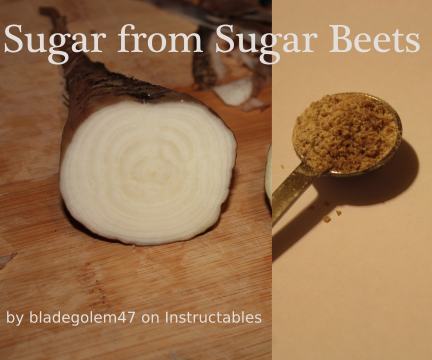
Regions primarily growing sugar beet consist of Europe and North America, while sugar cane grows in tropical and subtropical areas such as Brazil, India, and Southeast Asia. Climate and dirt conditions significantly influence these agricultural patterns.
How Do Sugar Beet and Sugar Cane Differ in Taste?
What Are Usual Spin-offs of Sugar Beet and Sugar Cane?
Typical spin-offs of sugar beet consist of molasses and pet feed, while sugar cane yields bagasse, molasses, and ethanol. Both crops contribute significantly to different markets, enhancing sustainability and economic worth past their main sugar manufacturing.
How Do Environmental Variables Impact Sugar Beet and Sugar Cane Returns?

What Is the Historical Significance of Sugar Beet and Sugar Cane Farming?
The historic importance of sugar beet and sugar cane growing hinges on my sources their functions in global economic situations, farming techniques, and profession. Both plants shaped social structures, affected colonial plans, and contributed to the development of contemporary sectors.